
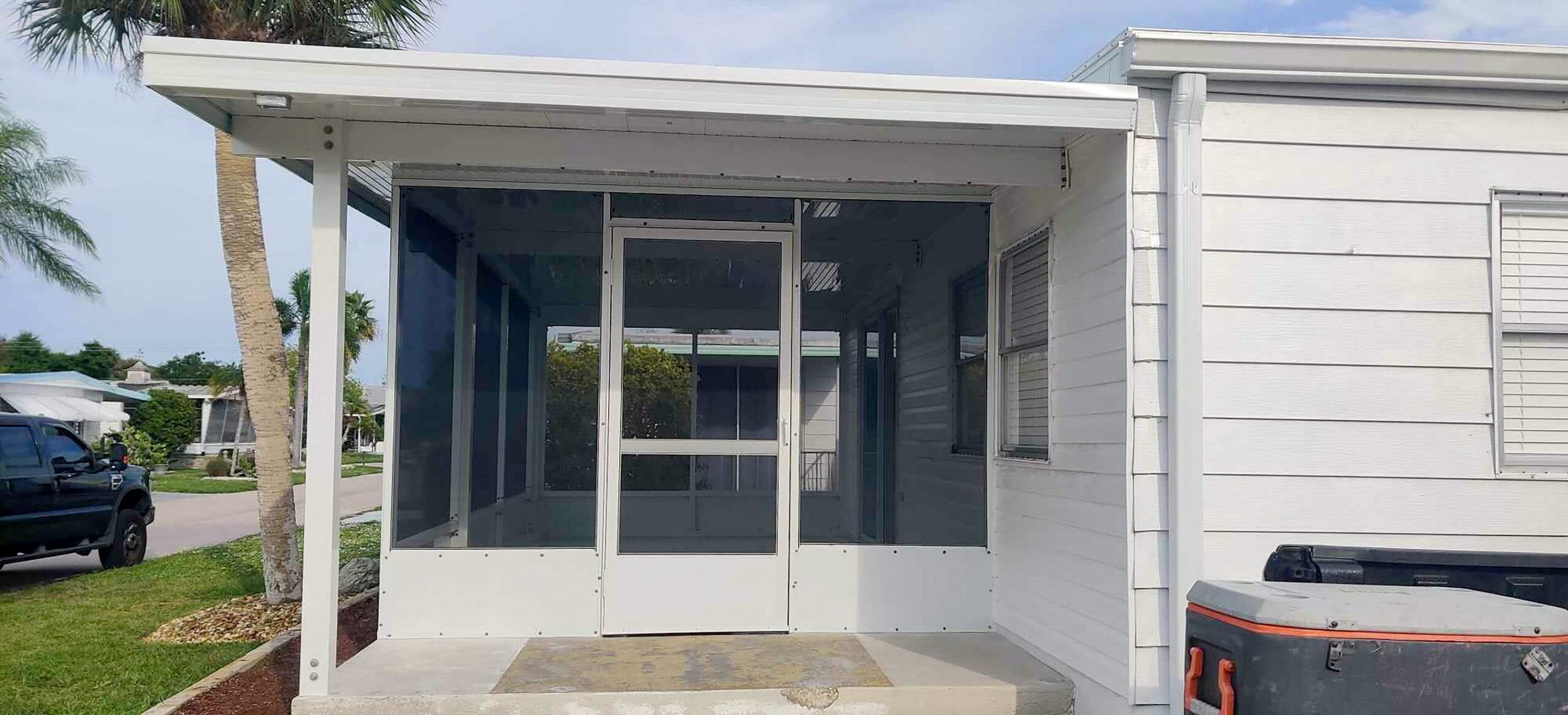
A carport looks like a simple structure. Posts, a roof, open sides. That simplicity is exactly why so many homeowners underestimate how much the contractor matters.
Florida’s climate puts real demands on outdoor structures, and not every contractor builds to handle them. Knowing what to look for before signing anything saves time, money, and headaches down the line.
Licensing Comes First
Florida requires contractors to be licensed for carport construction. This isn’t a formality. A license means the contractor has met state requirements, carries proper insurance, and can legally pull permits for the work.
An unlicensed contractor might offer a lower price, but that price comes with real risk. If something goes wrong during construction or the structure fails to meet code, an unlicensed installer offers no real accountability. Ask directly for a license number and verify it through the Florida Department of Business and Professional Regulation before moving forward.
Insurance Protects You, Not Just the Contractor
General liability insurance and workers’ compensation coverage protect homeowners from being on the hook if something goes wrong on their property. If a worker is injured or property is damaged during construction, proper insurance keeps that liability where it belongs.
A reputable carport contractor will provide proof of insurance without hesitation. If a contractor is vague or resistant about sharing that information, treat it as a warning sign.
Wind Rating Knowledge Matters
Florida Building Code requires carports to meet specific wind load ratings, and those ratings vary by county and proximity to the coast. A contractor who doesn’t ask about your location or doesn’t mention wind ratings at all is missing a critical part of the job.
The right wind rating affects the gauge of metal used, the anchoring method, and the overall structural design. A contractor experienced in your specific area will know what’s required and build accordingly, without needing to be told. This is one of the clearest signals of real local experience versus a generic, one-size-fits-all approach.
Permitting Should Be Handled, Not Skipped
Carports are permitted structures in Florida. A licensed contractor pulls the permit, schedules required inspections, and ensures the finished structure is documented with the county or municipality.
Some contractors suggest skipping the permit to save time or money. This is a serious red flag. Unpermitted structures create real problems when you sell your home, file an insurance claim, or face a code enforcement issue. A contractor willing to cut this corner is likely cutting others as well.
Materials and Construction Methods
Aluminum and galvanized steel are the standard materials for Florida carports, chosen for their resistance to rust and corrosion in a humid climate. Ask what gauge of metal is used and how the structure is anchored to the ground or existing slab.
Anchoring matters more than most homeowners realize. A carport that isn’t properly secured to its foundation is far more vulnerable during high winds, regardless of how strong the metal itself is. A contractor should be able to explain their anchoring method clearly and confidently.
It’s also worth asking whether the contractor builds screen enclosures, lanais, or other outdoor additions. A contractor with range across related structures often brings a broader understanding of how these projects work together on a single property.
Look at Past Work, Not Just Promises
Photos of completed projects tell you more than a sales conversation ever will. Ask to see carports the contractor has built in your area, ideally ones similar in size or configuration to what you’re planning.
References from past customers are worth requesting directly. A contractor confident in their work will provide them without pushback. Online reviews are useful too, but a direct conversation with a past customer often reveals more about communication, timeline accuracy, and how problems were handled if any came up.
Mobile Home Carports Require Specific Experience
Carport installation on mobile home properties involves considerations that differ from standard residential builds. Mobile home communities often have their own approval processes separate from county permitting, and the structural attachment methods can differ from a site-built home.
A contractor without specific mobile home experience may not know to ask about community guidelines or may apply standard residential methods that don’t translate well to a manufactured housing setup. Freedom Carport Division works regularly with mobile home properties throughout Central and Southwest Florida and understands these distinctions firsthand.
A Clear Quote Beats a Vague One
A trustworthy contractor provides a detailed, itemized quote rather than a single rounded number. That breakdown should include materials, labor, and permitting costs, so you know exactly what you’re paying for.
Be cautious of quotes that seem unusually low compared to others. That gap often reflects lower-grade materials, a smaller wind rating than required, or corners cut on permitting and anchoring. The lowest quote is rarely the best long-term value once you account for what’s actually being built.
Communication During the Project
How a contractor communicates before the contract is signed is often a preview of how the project will go. Prompt responses, clear answers to direct questions, and a willingness to explain the process all point to a contractor who treats the relationship seriously.
Once work begins, expect regular updates on permitting status, scheduling, and any changes that come up. A contractor who goes quiet for long stretches or is hard to reach makes an already stressful process more difficult than it needs to be.
Questions Worth Asking Before You Sign
A few direct questions can clarify a lot. Ask about the contractor’s license number, their experience with your specific county’s wind rating requirements, and whether they handle the permitting process themselves.
Ask how long the project will take from contract to completion, including permit approval time. Ask what happens if weather delays the build. A contractor who answers these clearly and without hesitation is generally one worth working with.
Why Local Experience Matters
Florida is a large state with real variation in wind requirements, permitting timelines, and even soil conditions from one county to the next. A contractor who works broadly across Central and Southwest Florida brings a depth of local knowledge that a single-area or out-of-state company often lacks.
Freedom Carport Division serves homeowners throughout Central and Southwest Florida, including Tampa, Clearwater, Sarasota, Fort Myers, Naples, Ocala, and the surrounding communities. The team is licensed, insured, and familiar with the permitting requirements specific to each county served.
Beyond carports, the company handles driveway extensions and custom sheds, giving homeowners a single point of contact for several types of outdoor projects. Learn more about the company or explore the full range of services offered.
If you’re comparing carport contractors and want a clear, honest assessment of what your property needs, get in touch to schedule a site visit. There’s no pressure, just a straightforward look at the project and what it would actually take to do it right.